
A Staircase Moment, Then the Data
I’ve walked into more homes than I can count where the stairs look like a movie set—until someone tries to climb them at night and misses a tread. A chandelier supply company hears the same story from builders and owners, year after year. Early audits show that 30% of stair runs sit in patchy light because fixtures toss lumens wide, not deep, and glare spikes when the drop is wrong for the ceiling height. That’s why folks go hunting for chandelier lights for staircase that balance beam angle, CRI, and mounting geometry. But most options still ignore basics like constant-current drivers, enclosure heat management, and the way reflections bounce off glossy risers (y’all know that shine). So here’s the question: are we buying looks, or are we buying safe, tuned light that actually follows your steps—funny how that works, right?
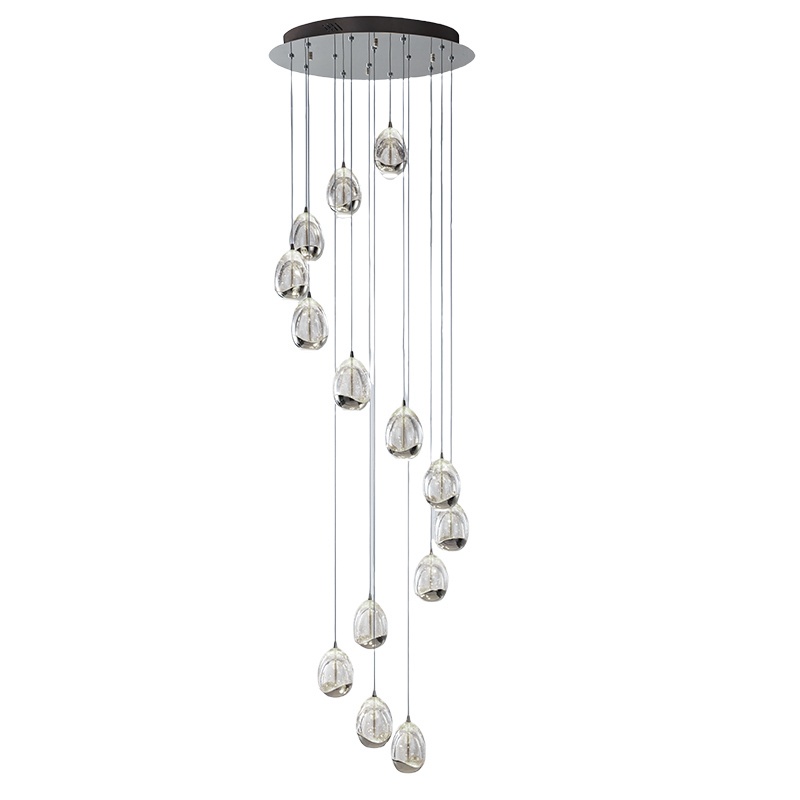
Let’s set the scene clear and simple. Stairs are vertical, moving targets. Light needs to layer, not blind. The data says mis-aimed luminaires double the risk of harsh shadows at landings, and PWM dimming can flicker on phone cameras, which drives owners nuts. And if the canopy load isn’t matched to structure, well, that gets real dicey. The fix is not magic; it’s design that starts with supply and installation constraints, then shapes the style. Alright then, let’s roll to the next part.
The Hidden Flaws in Traditional Staircase Fixtures
What’s really going wrong?
Technical, straight-shooting take: traditional staircase chandeliers often fail because they treat the stair void like a dining room. Look, it’s simpler than you think. The geometry changes with every step, yet old-school fixtures lock into one drop length and one beam pattern. That creates hot spots near the lower tiers and leaves the landing dark. Without a constant-current driver matching the LED arrays, you get drift in lumen output over time—dim trails that nobody planned for. Add in a glossy handrail, and the Unified Glare Rating goes up while your footing confidence goes down. That’s not just annoying; it’s a safety gap.
Then there’s the wiring and weight. Legacy installs bundle all loads into one canopy with no thought for service loops or thermal relief. Drivers baked into tight housings overheat when airflow is weak, so you hear early failures. Power converters are chosen for cost, not for power factor or low ripple, which can mess with smart dimmers. And the beam angle? Often fixed. Stairs need vertical illuminance, not just pretty sparkle. If the fixture can’t tune tiers or aim heads, you wind up retrofitting add-on spots. More holes. More cost. More complaints—and that’s no tall tale.
Comparing What’s Next to What’s Old
What’s Next
Semi-formal view ahead: the new playbook is modular and measurable. Instead of a single heavy pendant, think segmented tiers with swappable optics and remote-mounted drivers on a cool surface. That lets heat sinks do their job and keeps power converters serviceable. Edge computing nodes—or their simpler cousins, scene-capable controllers—can map dimming curves to the stair profile, so lower tiers run softer and upper tiers push more vertical light for depth. In practice, it means fewer shadows and steadier footing. When you scale that up to a grand stair, the same logic turns a mansion chandelier into a controlled system, not just a pretty object.
Old vs. new, side by side. Legacy pieces rely on fixed drop, single driver, and a decorative focus. The modern set favors adjustable suspension kits, multi-channel drivers with low ripple, and optics that shift beam angles per tier. Maintenance goes from “bring a lift” to “service from the closet” with remote gear. Glare control improves through layering: low-gloss diffusers, tight upper beam, soft lower fill. The result is safer stairs, calmer photos, and fewer callbacks. We learned that ignoring geometry and drivers causes glare and sag; now we angle the light and separate the heat. Simple idea, big payback—funny how the basics win twice.
Choosing Right: Three Metrics That Matter
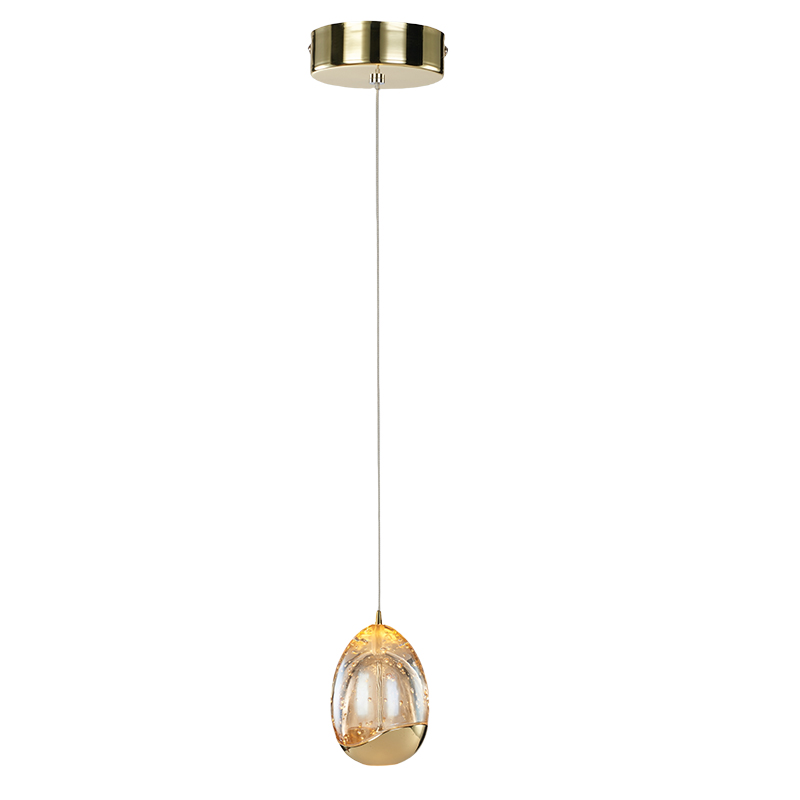
Here’s the advisory short list for staircase chandeliers. One: photometric fit, meaning vertical illuminance on risers and landings, with beam angle options and a target glare index. Two: electrical stability, with constant-current drivers, high power factor, and low ripple for clean dimming profiles. Three: service logic, including remote drivers, accessible canopies, load calculations, and a clear maintenance path. If a spec checks these boxes, it tends to light the steps, not just the air. Keep your eye on structure first, style second, and you’ll walk taller every night—because good light earns trust. For deeper specs and real-world fixtures, see kinglong.
