
Introduction
Here’s a simple truth: the way you buy cabinets can shape your project more than the cabinet itself. Many teams source wholesale kitchen cabinets to control cost and speed, yet still lose days on site to small mistakes. When your crew works with a kitchen cabinet supplier, the real test is consistency—order to install. Picture a busy morning: the crew is ready, the plumber is waiting, and the island panels show up in the wrong finish. Two hours turn into two days. In our region, we often see 15–25% of delays tied to ordering gaps, mislabels, or packaging damage (sí, small things add up). Now, think about it: if you could reduce those frictions, how much would your calendar—and your budget—open up? The cabinet carcass, MDF door core, and soft-close glides don’t fail as often as the process around them. So why do lead time promises keep slipping when the parts are fine? That’s the question that matters. Let’s break it down and get practical—paso a paso—so your next delivery lands right the first time. On to the deeper issues that hide in plain sight.

Hidden Pain Points When Partnering with a Kitchen Cabinet Supplier
Where do costs really hide?
Technical view first. Most overruns are not material costs; they’re misalignment costs. Catalog sprawl creates tiny spec differences across SKUs that don’t show up until install—full-overlay hinges vs. partial overlay, wrong toe-kick height, or mismatched fillers. In bulk orders, specs drift when the quote, pick list, and packing label don’t match. That drift shows up as rework on site. Common triggers: long lead time buffers that shift schedules, edge banding that chips because of poor handling, and carton labels that skip room-by-room mapping. Add two tricky levers: MOQ pressure can push you to buy variants you don’t need, and RTA hardware kits can be short by a bag—funny how that works, right? The result is delay and extra touches, not better cabinets.
Look, it’s simpler than you think. You need clear rules between face frame and frameless lines, a locked finish matrix, and a simple SKU map. Then you need data discipline. Room codes on every carton, line-by-line confirmations, and variance tracking when subs request swaps. This is where hidden user pain lives: not in the door style, but in the moment your installer opens the box. If the label says Pantry-A, and the hinges are wrong, you lose trust immediately. Two more quiet issues: inconsistent hole drilling patterns across factories and loose quality gates for MDF paint lines. These don’t scream on a price sheet, but they echo on the jobsite. Fix the small things, and the big things—like schedule and cost—start to behave.
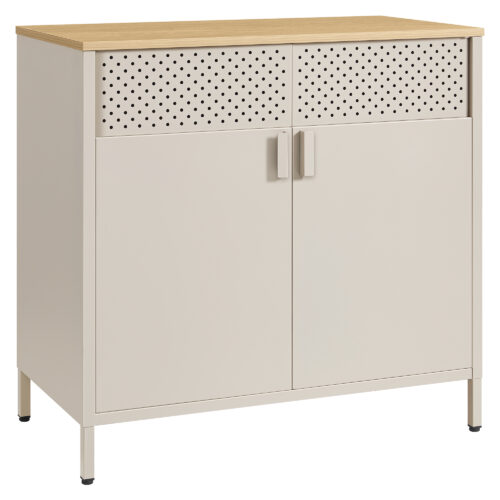
What’s Ahead: Smarter Sourcing and Fair Comparisons
What’s Next
Now let’s look forward—comparative and clear. The next wave isn’t about the fanciest shaker profile; it’s about how orders flow. Think new technology principles: standardized digital specs, EDI order confirmations, and carton-level barcodes that mirror your room schedule. That means one source of truth from quote to dock. Pair that with CNC routing files that stay locked to your chosen drilling pattern and hinge overlay. You get fewer surprises, and faster first-pass fit. When you evaluate kitchen cabinet supplies, compare how they handle data, not just wood. If a supplier can send ASN updates with carton IDs—and map them to rooms—you remove guesswork on site. Simple math, big payoff.
A quick case. A regional remodeler trimmed their catalog to three finishes and two door styles. They kept dovetail drawers but standardized box depth. They also locked a parametric bill of materials, added barcode scanning at receiving, and measured OTIF (on-time, in-full). Result: fewer change orders, faster installs, and less scrap on melamine panels. Not magic—just process. When a hinge pack went missing, the ASN showed the gap before delivery, so the replacement left same day. The crew stayed on schedule. That’s the difference between hoping it fits and knowing it will fit.
So, how should you evaluate options from here? Use three metrics that force apples-to-apples comparisons—across any brand or catalog. First, Delivery Reliability: track OTIF and variance to promised lead time. Second, Spec Fidelity: measure first-pass fit rate by room, including drilling pattern and hardware match. Third, Damage and Rework: count defects per 100 units and minutes of rework per cabinet on site. Keep these visible (a simple weekly dashboard works), and you’ll spot trends fast—funny how clarity lowers stress, right? In the end, cabinets are built in factories, but schedules are built in process. Choose partners who treat data like a material, not an afterthought. If you want a place to start your comparison, keep exploring with SONGMICS HOME B2B.
