
Baseline Scenario and Why It Matters
Precision beats raw power. You consider a 500cc quad while planning a mixed day of trail work and weekend rides. The scenario is simple: a wet forest track, a loaded trailer, and a climb that holds at 12% grade for 600 meters. Data points matter here—sustained torque around 3,000 rpm, cooling stability at low airflow, and alternator capacity for lights and a winch. You want stable EFI mapping, a CVT that does not glaze, and a chassis that manages heat as well as shock loads (not just showroom shine). But one question remains: which platform balances response, durability, and control under repeat stress without spiking maintenance?

That is the diagnostic frame—short, clinical, and specific. We reduce noise by isolating duty cycles, terrain, and payloads. We track the torque curve, fan duty percentages, and how the differential lock engages under partial throttle. Then we ask what the data says about real-world fatigue. The goal is not hype; it is outcome. So let’s move into the buying phase and confront what gets missed in the search itself.
The Hidden Gaps When Shopping 500cc Quads
What are we missing?
When riders scan listings for 500cc quads for sale, the specs look complete. Yet key stress points hide in plain sight. Traditional reviews focus on peak horsepower, not on clutch heat during low-speed hauls. They praise sprint times, not the ECU’s idle control on steep descents. A better lens checks CVT sheave wear under load, alternator output at idle for winch pulls, and how the cooling fan cycles in mud-clogged airflow. Technical, yes—but very practical. EFI mapping, differential lock behavior, and skid plate coverage define how a machine survives the rough parts—the parts you actually face.
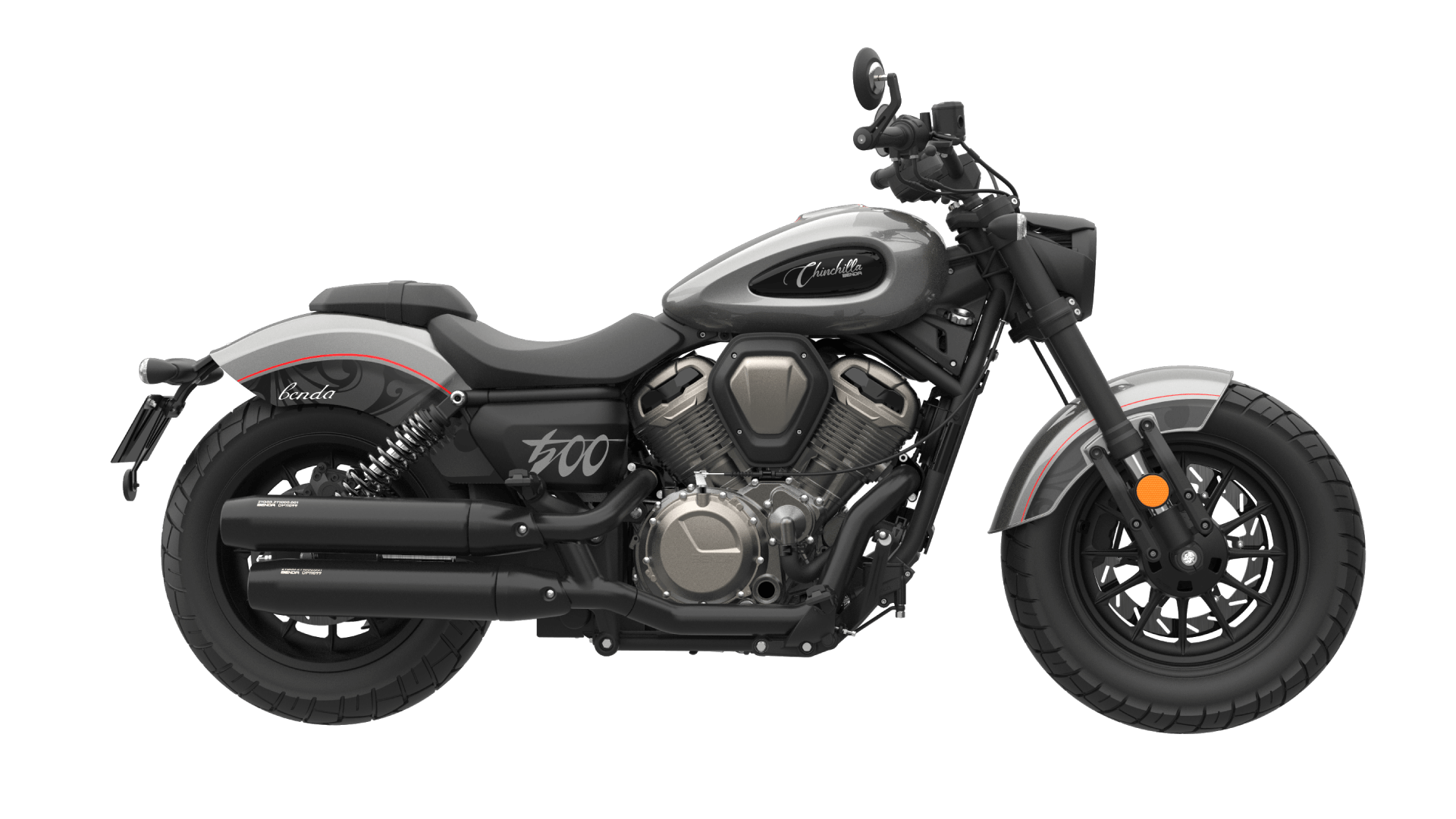
Look, it’s simpler than you think. Most pain starts where numbers end. A test ride rarely lasts long enough to catch heat soak, belt glazing, or brake fade. The torque curve on paper won’t tell you how the clutch engages after three tight climbs. Nor will it show if the voltage regulator keeps pace when lights, heated grips, and a GPS pull current together. Ask for service interval details, belt inspection windows, and real fan duty cycles. Also check ground clearance with gear loaded—funny how that changes fast, right? These gaps, once mapped, save you both downtime and cash.
Forward-Looking Principles and Real-World Payoff
What’s Next
The next wave is about control logic and thermal discipline, not just cubic centimeters. Closed-loop EFI now adapts fuel trim when elevation or heat shifts, stabilizing idle and mid-range pull. Multi-map throttle profiles let you soften response for tight woods, then sharpen it for open fire roads—same hardware, smarter behavior. Electric power steering with variable assist ties into wheel speed and bar input to reduce kickback while keeping feedback intact. Pair these with a CAN bus that keeps sensors talking cleanly, and the platform behaves predictably when conditions stack up. If you compare any 4 wheeler 500cc built on these principles to older systems, the gains show up as steadier temps, cleaner shifts, and less rider fatigue—funny how that works, right?
From the earlier sections, we learned that sustained performance beats peak claims and that hidden load cases cause most surprises. Now roll that into selection. Prioritize three metrics: first, sustained torque and clutch temperature at 2,000–4,000 rpm; second, cooling efficiency measured by fan duty cycle after repeated climbs; third, electrical headroom, meaning alternator output at idle with accessories on. Add a quick check of skid plate span and differential lock actuation, and you have a confident shortlist. Keep the tone clinical, the trail time honest, and the data repeatable—your hands, your terrain, your workload. For a grounded starting point and model details, see BENDA.
