
Hearing is one of the most vital senses humans possess, influencing no 聽力中心 t only how we interact with the world but also our emotional and mental health. Our ability to hear allows us to engage in communication, detect danger, and enjoy the various sounds that make life richer, from music to the voices of loved ones. Yet, the importance of hearing often goes unnoticed until it starts to diminish, revealing its crucial role in daily life. Understanding how hearing works, how it impacts our well-being, and what steps we can take to preserve it can make a significant difference in how we experience life and maintain our overall health.
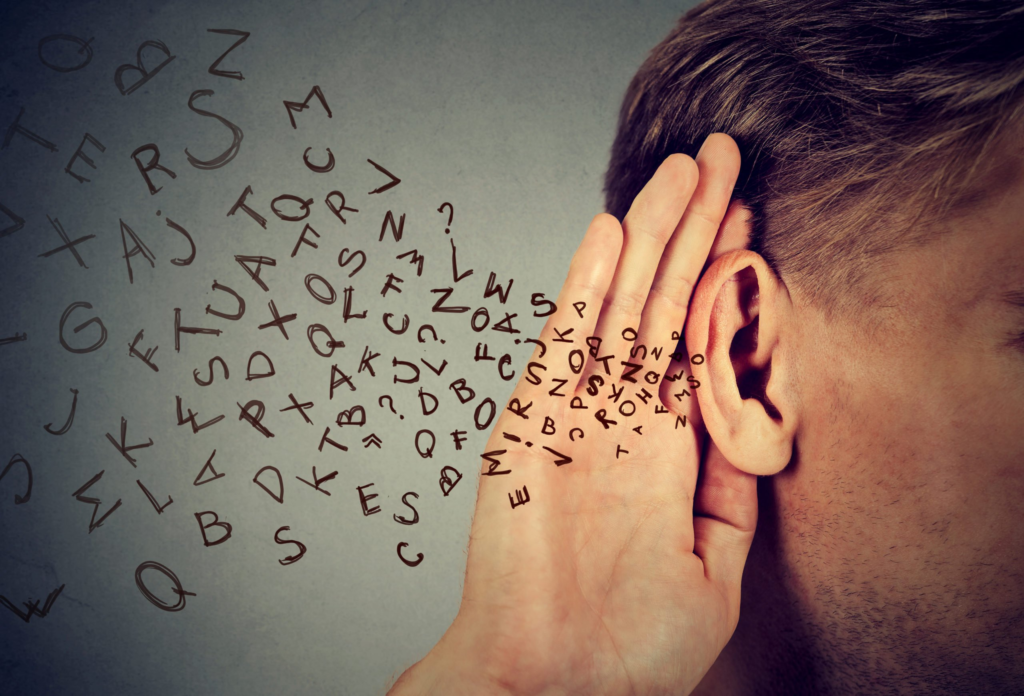
The process of hearing begins when sound waves travel through the air and enter the outer ear, which funnels them toward the eardrum. Upon striking the eardrum, the sound waves cause it to vibrate. These vibrations are transferred through the tiny bones in the middle ear called the ossicles, which amplify the sound and transmit it to the inner ear. The cochlea, a spiral-shaped structure in the inner ear, contains sensory cells that convert these vibrations into electrical signals. These signals are then sent to the brain via the auditory nerve, where they are processed and interpreted as sound. This intricate mechanism allows us to identify different frequencies, tones, and volumes, making hearing essential for communication and environmental awareness.
While the ear is an incredible organ capable of processing complex sounds, several factors can hinder its function. One of the most common causes of hearing loss is noise-induced damage. Prolonged exposure to loud sounds, such as music through headphones or loud machinery at work, can cause permanent damage to the hair cells in the cochlea. These cells are responsible for converting sound vibrations into electrical signals, but once damaged, they cannot regenerate. In addition to noise exposure, aging is another significant factor that contributes to hearing loss, a condition known as presbycusis. As we age, the sensory cells and structures in the ear may deteriorate, leading to gradual hearing decline, particularly in higher frequencies. Understanding the causes of hearing loss is essential to protect this sense before it begins to degrade.
Hearing loss can have profound effects on a person’s quality of life, affecting not only communication but also mental and emotional health. For those with untreated hearing loss, daily interactions may become frustrating, leading to social isolation, depression, and anxiety. People with hearing loss may find it challenging to follow conversations, participate in social events, or enjoy their favorite activities like watching television or listening to music. Additionally, research has shown that untreated hearing loss is linked to cognitive decline, including an increased risk of dementia. The brain relies on continuous stimulation from hearing to maintain cognitive functions, and a lack of auditory input can accelerate the aging of the brain. Therefore, it is essential to address hearing loss early to minimize its impact on overall well-being.
Fortunately, there are various ways to preserve and enhance hearing, ensuring that we maintain this crucial sense for as long as possible. One of the most effective preventive measures is avoiding prolonged exposure to loud sounds. Using ear protection, such as noise-canceling headphones or earplugs, in noisy environments can help protect the delicate structures of the inner ear. Another important strategy is practicing safe listening habits, such as keeping the volume at moderate levels when using headphones or personal audio devices. Regular hearing check-ups are also essential for detecting early signs of hearing loss, allowing for timely intervention. Hearing aids, cochlear implants, and other assistive devices can significantly improve the hearing of those affected by hearing loss, helping to restore communication abilities and reduce the emotional toll of isolation.
In conclusion, hearing plays an indispensable role in our lives, shaping our ability to communicate, enjoy life’s sounds, and stay connected to the world around us. Understanding how hearing works and recognizing the risks that contribute to hearing loss can help us take the necessary steps to protect this sense. By practicing good hearing habits, seeking regular check-ups, and addressing hearing issues early, we can preserve our hearing and continue to engage fully with the world. In a world where communication is key to both personal and professional success, safeguarding our hearing is an investment in our long-term health and happiness.
